
Seasonal
Why Seasonal Flowers Last Longer and Cost Less
/8 min read
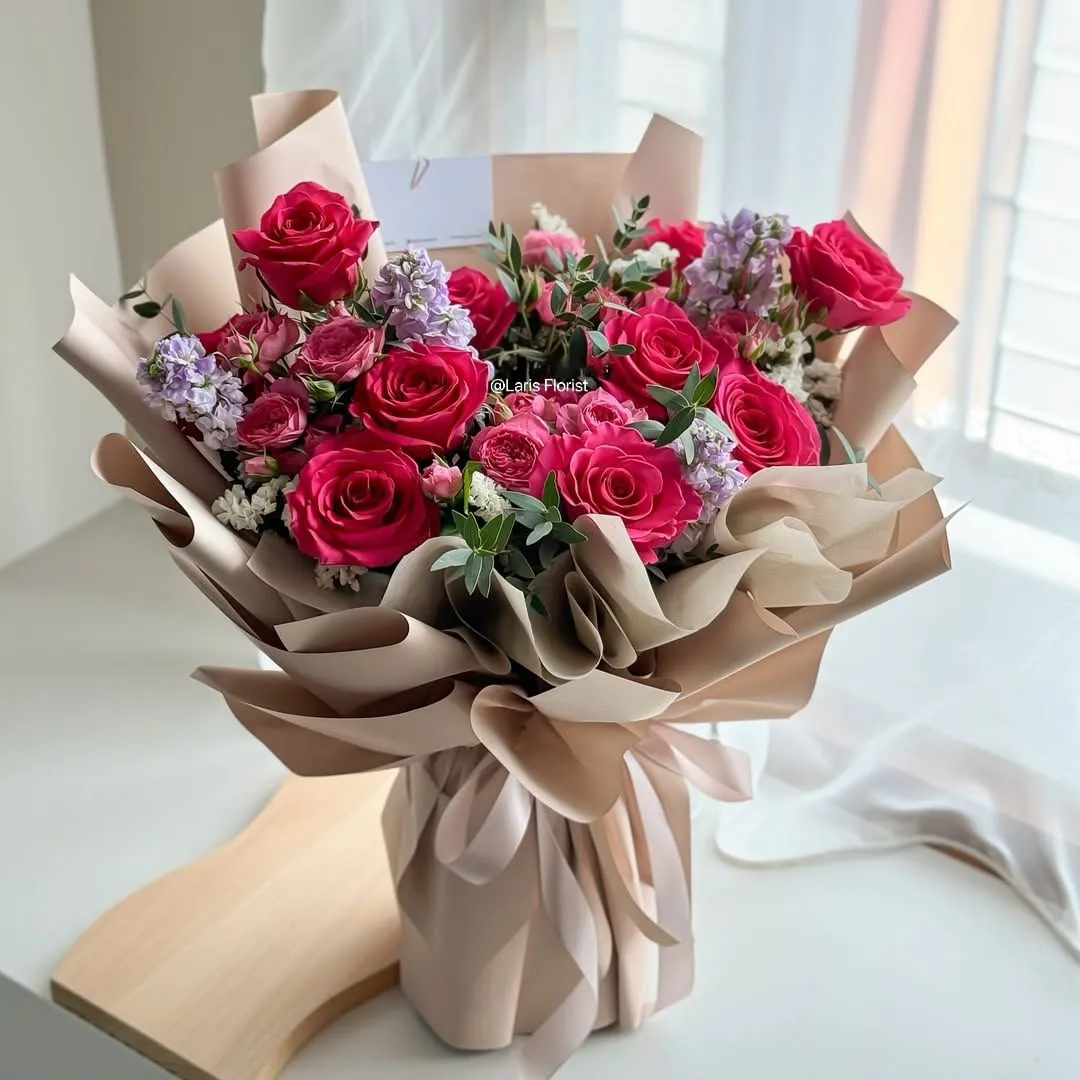
Seasonal flowers last longer and cost less for three plain reasons: they’re cut closer to the day you buy them, they grow in the weather they like, and there are a lot of them. Fresher stems mean more days in the vase. More supply means a lower price. At Laris Florist we design every order by hand in our studio in Oak Ridges, at the north end of Richmond Hill, from that day’s flowers, so the time of year is something we think about every morning.
If you’ve had a bouquet flop after three days, or paid a small fortune for peonies in February, you’ve already seen the other side of this. Our view: when you buy matters more than what you buy. A tulip in April or a sunflower in August will usually beat an out-of-season bloom on freshness, vase life and price.
Here’s why.
What are seasonal flowers?
Seasonal flowers are cut during their natural growing window, when the light and temperature suit the plant. Nobody has forced them to bloom early or flown them across the world to meet demand.
In Ontario the year runs roughly like this:
- Spring (March to May): tulips, daffodils, hyacinths, lilacs, ranunculus
- Summer (June to August): peonies, sunflowers, delphinium, lavender, zinnias, garden roses
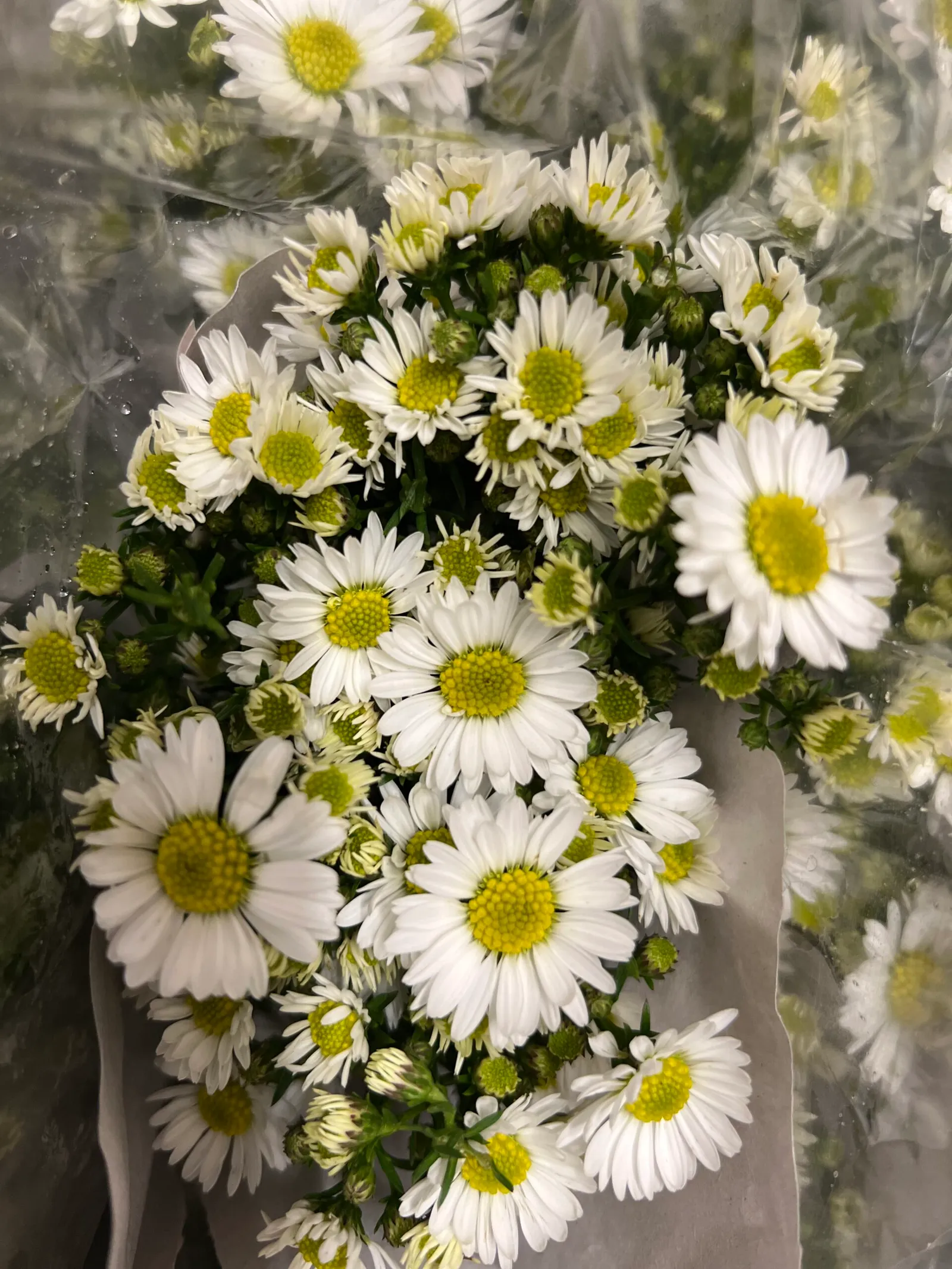
- Fall (September to November): dahlias, chrysanthemums, asters, celosia, dried grasses
- Winter (December to February): amaryllis, paperwhites, evergreens, hellebores, greenhouse tulips
Carnations and most roses are around nearly all year. But “available” and “in season” aren’t the same thing, and you can see the difference in the vase.
Reason 1: seasonal flowers are fresher when they reach you
Freshness decides most of a cut flower’s vase life. A stem starts ageing the moment it’s cut, and every day it spends in a truck, a plane or a cold warehouse is a day it won’t spend on your table.
When a flower is in season close to home, the trip is short. A bloom from a southern Ontario field or greenhouse can be in a florist’s cooler within a day or two. Out-of-season flowers often come from another continent. They’re cut early, chilled, boxed, flown, cleared through customs, stored and trucked again before a florist ever unpacks them.
By then they can be several days old. That’s why a June peony can hold up for a week, while one flown in for a winter order sometimes fades much sooner.
Reason 2: flowers grown in their natural window are stronger
Plants grown in the conditions they’re built for are usually healthier. Tulips like a cool spring. Sunflowers want long, hot days. Dahlias do best with warm late-summer days and cooler fall nights.
To get a flower to bloom out of season, growers use heated greenhouses, grow lights and humidity control. It works, but the stems can come out thinner or softer, and the heads don’t always have the same staying power.
In season, you tend to get:
- thicker stems that drink water well
- deeper colour and fuller petals
- more scent, because the plant isn’t under stress
- fewer treatments needed to get them through shipping
A flower that grew in the right weather is usually a flower that lasts.
Reason 3: less travel means less stress on the stems
Cut flowers are still alive, and travel is hard on them. Swings in temperature, long stretches out of water and rough handling all take days off.
Shorter trips cut down on all of it. Fewer hand-offs mean fewer bruised or dried-out stems. The cold chain, which is the business of keeping flowers cool from farm to florist, is shorter and easier to keep unbroken.
The last leg counts too. That’s one reason we design each order from that day’s flowers instead of making arrangements days ahead and storing them.
Reason 4: why seasonal flowers cost less
Price comes down to supply, demand and what it costs to get the flower to you.
Supply is high. In season, growers cut in large volumes and wholesale prices fall. At the peak of peony season in early summer there are plenty to go around. In December they’re scarce, and the price shows it.
Growing costs are lower. A flower grown outdoors, or in a lightly heated greenhouse in its own season, costs far less to produce than one coaxed into bloom under lights.
Shipping and storage costs drop. Air freight, refrigerated storage and customs handling all end up in the price. Seasonal flowers grown closer to home skip most of that.
There’s less waste. Fresh stems that last mean fewer flowers thrown out before they sell, which helps keep prices down.
So for the same budget you get more stems, better stems, or both.
Real examples: seasonal vs. out of season
Peonies in June vs. February. In early summer they’re full and fairly priced. In midwinter they’re rare, imported and expensive. Same flower, very different value.
Tulips in April vs. October. Spring tulips are everywhere and cheerful. Off-season tulips take more work to produce, and you pay for that work.
Dahlias in September vs. January. Fall dahlias are big, colourful and reasonably priced. Local dahlias in winter barely exist.
Sunflowers in August vs. winter. Summer sunflowers are bright, with thick stems. Winter ones are usually flown in and cost more for less.
If you’re set on one particular flower, try to buy it in its season if the date allows. If you’re flexible, let the season decide and put the savings into more stems. Our peonies, tulips and sunflowers collections are a good place to start.
How to make seasonal flowers last even longer
Buying in season gives you a head start. A few habits stretch it further:
- Trim the stems. Cut 2 to 3 cm off the bottom at an angle with clean, sharp scissors so the stem can drink.
- Use a clean vase. Bacteria finish off most bouquets early. Wash the vase in warm, soapy water first.
- Take off the lower leaves. Anything below the waterline rots and clouds the water.
- Add flower food. The packet feeds the blooms and slows bacteria.
- Change the water every two days, and take a little more off the stems each time.
- Keep them cool. Away from direct sun, heat vents and the fruit bowl. Ripening fruit gives off ethylene gas, which ages flowers faster.
- Pull out fading blooms. One tired flower speeds up the ones around it.
Do this and most seasonal bouquets look good for a week or more. Hardier flowers like chrysanthemums and carnations often go longer. Our fresh cut flower care guide has more detail.
Seasonal flowers for every occasion
People worry that seasonal means limited. It doesn’t. There’s a seasonal option for nearly every occasion.
Weddings and events. Seasonal flowers give you a full, generous look without paying for rare imports. Peonies and garden roses in June, or dahlias and deep-toned foliage in October, look rich on a sensible budget. Our wedding flowers page has more.
Birthdays and anniversaries. A mixed seasonal bouquet looks relaxed and personal, nothing like a stiff grocery-store bunch. See our birthday flowers.
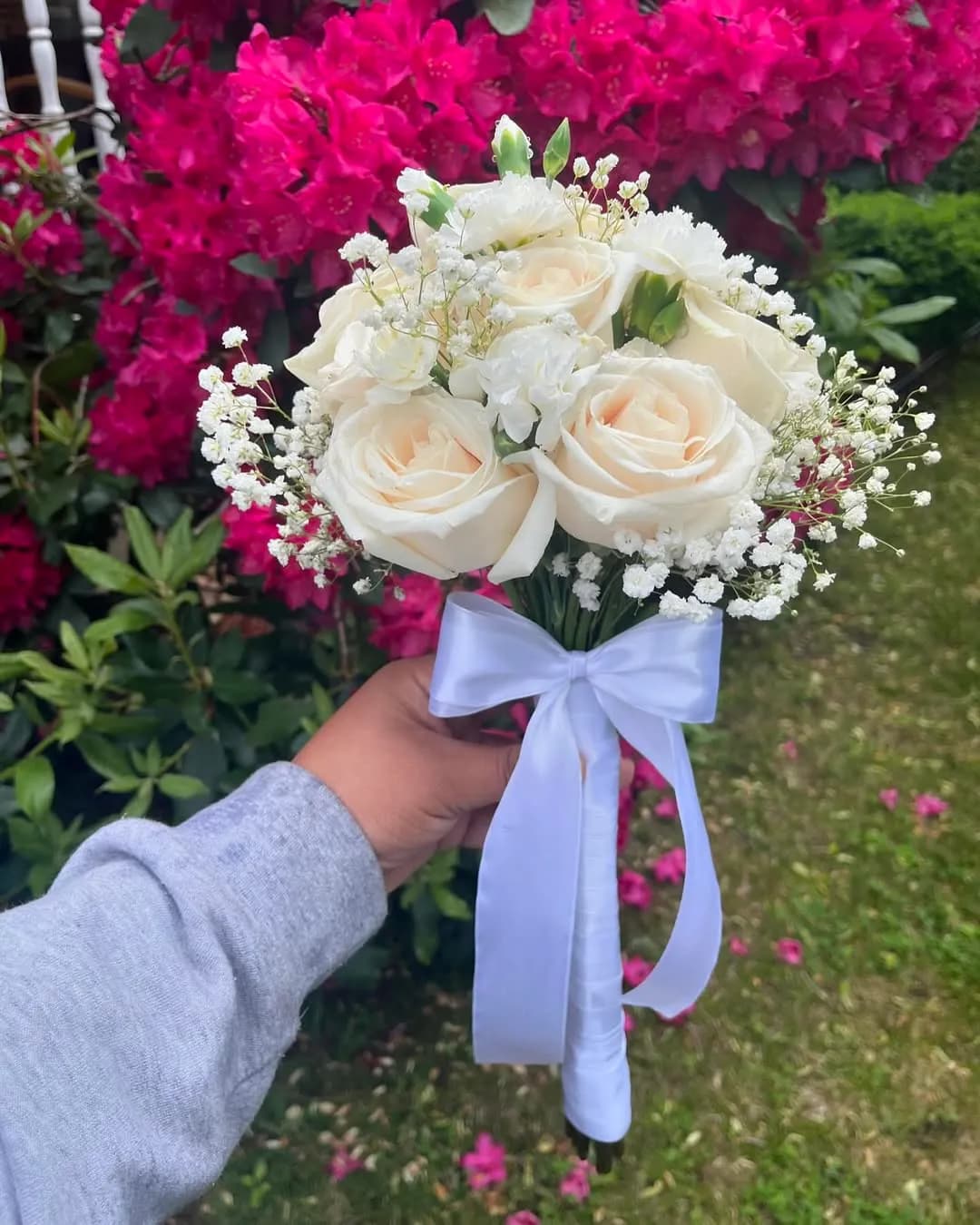
Sympathy. Seasonal flowers can be soft and calm. Lilies, white roses and greenery work in almost any month. See our sympathy flowers.
Offices. A lobby or front desk gets more out of seasonal stems, because they last longer between changes. Our flower subscriptions and corporate flowers pages have the details.
Holidays. Valentine’s Day and Mother’s Day are peak demand, and prices climb. Ordering early, and being open to a seasonal swap alongside the classics, helps you stay on budget.
The environmental bonus
Seasonal flowers are easier on the planet too. Shorter trips mean fewer transport emissions. Less reliance on heated greenhouses means less energy used. Buying from regional growers helps keep farmland in use and local jobs steady.
If you’d like your flower buying to be a bit greener, choosing what’s in season is one of the easiest changes you can make.
What to look for when buying seasonal flowers
Wherever you buy, these help:
- Ask what’s in season. A good florist will happily tell you what looks best this week.
- Check the petals and leaves. Petals should be firm with good colour. Leaves should be green, not yellow or slimy.
- Look at the stems. They should be firm and clean, not soft or discoloured.
- Pick buds over fully open flowers if you want the longest show. They’ll open at home.
- Be flexible on colour and variety. Let the season set the palette. It often turns out prettier than what you had in mind.
Seasonal flowers from Laris Florist
Every Laris Florist order is designed by hand in our Oak Ridges studio from that day’s flowers. We make bouquets, vase arrangements and flowers for weddings and events, and we deliver across York Region and Toronto seven days a week, including Newmarket, Richmond Hill, Markham and Toronto.
A few practical details:
- Order by 1 pm for same-day delivery to most postal codes.
- Delivery starts at $12 and is priced by driving distance.
- If a stem isn’t up to standard on the day, we swap it for one of equal or higher value in the same colours.
- You can add a gift message, and it’s tucked in with the flowers.
Not sure what to pick for your date? Call us at (437) 291-5605 and ask what’s looking good that week.
Frequently asked questions
Do seasonal flowers really last longer than out-of-season flowers?
Usually, yes. They travel less, spend less time in storage and grow in the conditions they like, so they tend to arrive fresher with more vase life left.
Why are seasonal flowers cheaper?
There are more of them in season, and growers don’t need as much heat, light or long-distance shipping to produce them. Lower costs mean lower prices.
What flowers are in season in Ontario right now?
It depends on the month. Spring brings tulips and daffodils, summer brings peonies and sunflowers, fall brings dahlias and chrysanthemums, and winter brings amaryllis and evergreens. Call us at (437) 291-5605 if you want to know what’s looking best this week.
Can I still get roses or lilies all year?
Yes. Both are available year-round, though off-season stems are usually imported. Have a look at our roses and lilies.
How long should a seasonal bouquet last?
With good care, most last about 7 to 10 days, and hardier varieties often go longer.
Does Laris Florist deliver outside Toronto?
Yes. We deliver across York Region and Toronto seven days a week, including Newmarket, Aurora, Richmond Hill, Markham and Vaughan. Fees are on our delivery page.
Next time you’re choosing flowers, pick the colours and let the season pick the stems. You can browse everything we have or go straight to same-day delivery.