
Care guides
Fresh Cut Flower Care Guide
/11 min read

Fresh cut flower care comes down to a few habits: trim the stems at an angle, take off any leaves that would sit below the waterline, use a properly clean vase with fresh water and flower food, and keep the bouquet away from heat, direct sun and ripening fruit. Change the water every one to two days, re-trim the stems every few days, and most bouquets will look good for a week, often longer depending on what’s in them.
We design every Laris Florist order by hand in our studio in Oak Ridges, at the north end of Richmond Hill, and deliver across York Region and Toronto. Once the flowers are at the door, the rest is up to you. Here’s what to do, step by step.
Why cut flowers wilt (and what you can do about it)
Once a flower is cut, it has lost its roots, and the stem is the only way it can drink. Three things usually cut a bouquet’s life short:
- Blocked stems. Air bubbles and bacteria clog the fine channels that carry water up the stem.
- Dirty water. Bacteria multiply fast in a vase, especially with leaves sitting in it.
- Stress. Heat, drafts and ethylene gas (more on that below) all speed up ageing.
Nearly every tip in this guide fixes one of those three.
Step by step: what to do when your flowers arrive
Step 1: start with a clean vase
This is the step people skip most, and it matters a lot. Wash the vase in hot, soapy water and rinse it well. Film left over from the last bouquet feeds bacteria, and that shortens vase life however fresh the flowers are.
Step 2: fill it with fresh, cool water
Use clean tap water, cool or lukewarm. Fill the vase about two-thirds of the way. A few flowers, tulips especially, prefer less water, and we’ll get to those.
Step 3: add flower food
The little packet isn’t a gimmick. Flower food usually has three things in it: sugar to feed the flower, an acidifier to help the stems drink, and something to slow bacteria. Mix it in exactly as the packet says. Homemade versions are rarely as well balanced, so if you’ve run out, plain fresh water changed often is the safer fallback.
Step 4: remove leaves below the waterline
Strip off any foliage that would sit in the water. Underwater leaves rot quickly, cloud the water and spread bacteria. Leaves above the waterline are fine, and they look nice.
Step 5: trim the stems
With sharp, clean scissors or floral shears, take 2 to 3 centimetres (about an inch) off each stem at a 45-degree angle. The angle gives the stem more surface to drink through and stops it sitting flat on the bottom of the vase. Dull kitchen scissors crush the stem and slow water uptake, so a sharp blade is worth having.
Get the stems into water right away, within a minute or two of cutting if you can.
Step 6: arrange and place
Put the vase somewhere with good light but no direct sun. Keep it away from heating vents, radiators, warm appliances and drafty windows or doors. There’s more on placement below.
Daily and weekly care routine
A few minutes here and there make a real difference.
- Every day: check the water level and top it up. Pull out wilting flowers or leaves as soon as you see them, because one fading bloom can speed up the rest.
- Every one to two days: pour out all the water and refill with fresh water and a little more flower food. If you only do one thing on this list, do this. If the water goes cloudy sooner, change it then and rinse the vase.
- Every two to three days: take another 1 to 2 centimetres off the stems, at an angle.
- Once a week: give the vase a proper wash if you’re keeping the same bouquet going.
Where to place your flowers
Where the vase sits can add days or take them away.
Do:
- pick a cooler room with indirect light
- set the vase on a stable surface, away from the edge
- move the flowers to the coolest spot in the house overnight if you can
Don’t:
- put them in direct sun, which dries and overheats them
- leave them near a heating vent, fireplace or radiator
- set them beside a TV, computer or other warm electronics
- put them next to the fruit bowl
The fruit problem
Ripening fruit, especially apples, bananas and pears, gives off ethylene gas, a natural plant hormone that makes flowers age and drop petals faster. Carnations, roses, lilies and snapdragons are particularly sensitive to it. Keep the bouquet in a different room from the fruit and the problem goes away.
Flower-by-flower care tips
Different flowers have different habits. Here’s how to handle the ones that turn up most often in our bouquets, plus a few others.
Roses. Take off leaves below the waterline and trim at an angle. Roses drink a lot, so check the water every day. If a head droops early, there may be an air bubble in the stem: re-cut it and put it straight into fresh water. More in our roses collection.
Tulips. They keep growing after they’re cut and bend toward the light. Use cooler water, keep the level fairly shallow and turn the vase now and then. If they stretch a few centimetres taller, that’s normal.
Lilies. Lilies often arrive in bud and open over several days. Once a flower opens, many florists pinch off the pollen-covered anthers with a tissue, because the pollen stains fabric and is dangerous to cats.
Hydrangeas. Very thirsty. If the heads go floppy, submerge the whole flower head in cool water for about 30 minutes, then put it back in the vase. A fresh cut on the stem helps too.
Peonies. They have a short season and usually come in tight bud. Keep them in cool water and give them time. A cool room slows the opening and a warm one speeds it up.
Carnations and chrysanthemums. Two of the longest-lasting cut flowers going. Two weeks or more is common with regular water changes.
Sunflowers. Heavy and thirsty. Use a sturdy vase with plenty of water and top it up daily.
Daffodils. Freshly cut daffodils leak a sap that can harm other flowers in the vase. Stand them in water on their own for several hours before mixing them with other stems, and don’t re-cut them once they’re mixed in.
Orchids and gerberas. Gerberas have soft stems that bend, so use a shallow vase with only a few centimetres of water. Orchid sprays can last for weeks in a cool room.
Woody stems (lilac, branches, flowering shrubs). Make a short vertical cut up the base of the stem, or lightly crush the end, to help it take up water.
Reviving droopy flowers
A wilting bloom can sometimes be brought back.
- Re-cut the stem at an angle, taking off 2 to 3 centimetres.
- Put it in fresh, lukewarm water with flower food.
- Let it rest somewhere cool for an hour or two.
For roses and other flowers with weak necks, wrap the bunch snugly in paper with the stems in water, so the heads stay upright while they rehydrate.
Sometimes a flower is just at the end of its life. If it hasn’t perked up after a few hours, take it out so it doesn’t drag the others down.
Common cut flower myths
There are plenty of home remedies online. Here’s our take on the usual ones.
“A penny in the vase keeps flowers fresh.” There’s little reliable evidence for this. Clean water and flower food do the job better.
“Aspirin makes flowers last longer.” Results are mixed, and it’s no substitute for proper flower food.
“Sugar and bleach make a good homemade flower food.” The idea is sound: sugar feeds the flower and a tiny bit of bleach slows bacteria. Get the amounts wrong, though, and you can hurt the flowers, so the packet is the safer bet.
“Hot water revives flowers.” Very warm water can help some woody stems drink, but most flowers do best in cool or lukewarm water.
“Ice-cold water is best.” Cool is good. Ice-cold isn’t necessary.
Caring for flowers in the GTA climate
Toronto and York Region swing hard from season to season, and your flowers notice.
Winter. Indoor air gets very dry, and the heating can make rooms warm. Keep flowers away from vents and radiators, and move the vase somewhere cooler overnight. In freezing weather, cold can damage petals in minutes, so get a bouquet inside quickly and never leave one in a cold car.
Spring. Tulips, daffodils, hyacinths and lilacs are at their peak. Most of them like cooler rooms, so keep them out of warm corners.
Summer. Heat is the main enemy. Keep flowers out of sun-baked rooms, change the water more often since bacteria grow faster in the warmth, and don’t leave a bouquet in a parked car, even for a few minutes.
Fall. Mums, dahlias and sunflowers are everywhere. They’re fairly hardy but still need clean water and regular trims.
Caring for gift bouquets, arrangements and special orders
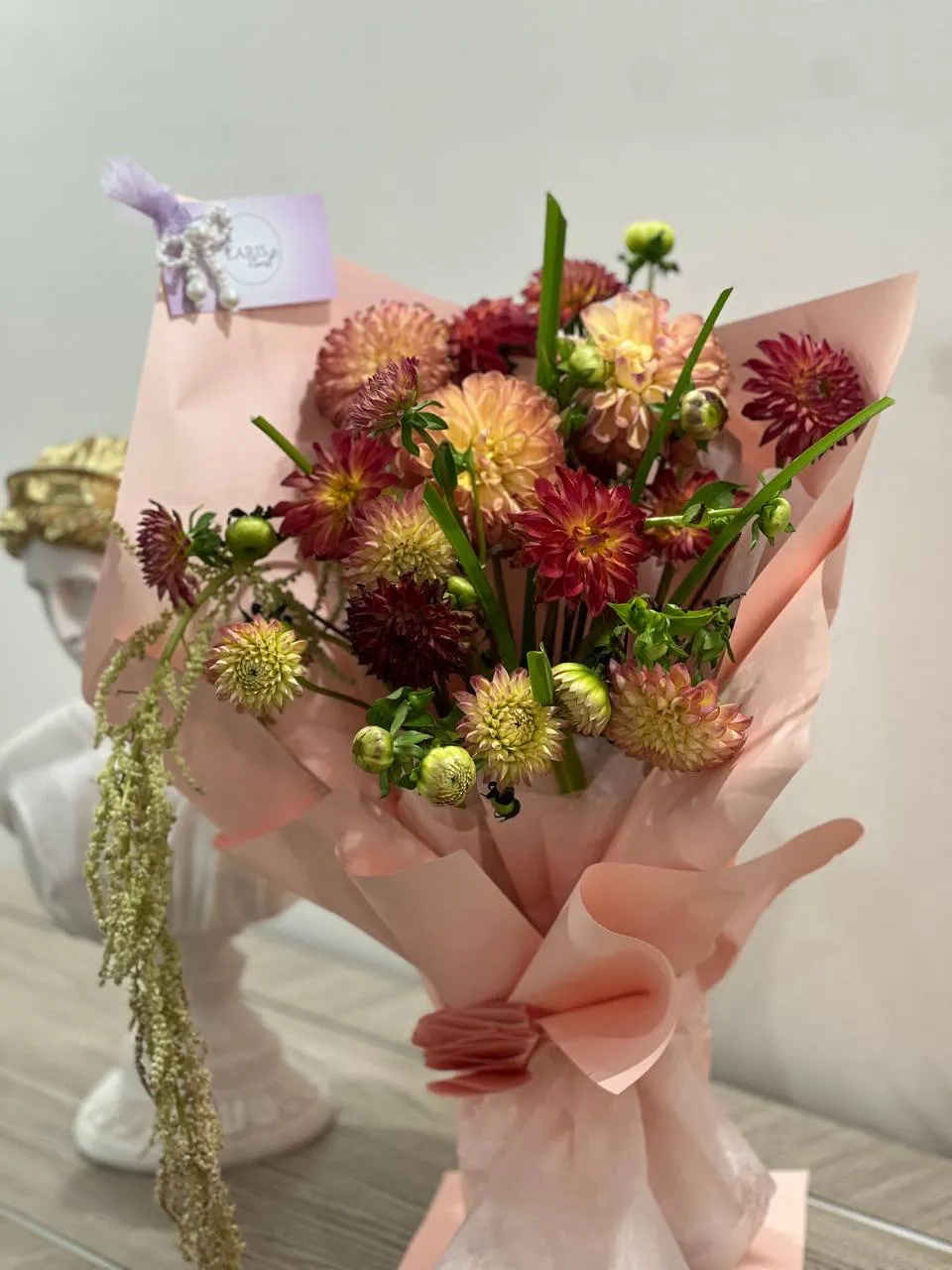
Hand-tied bouquets. If the bouquet arrives wrapped or tied, take off the wrapping and any tight elastic around the stems. Leave the tie on only if it’s holding the shape, then trim the stems. Our bouquets are a good example of the style.
Foam arrangements. Some arrangements sit in floral foam or a similar base that has to stay wet. Add water gently to the container every day and don’t let it dry out.
Vase arrangements. Treat these like any bouquet: refresh the water, trim the stems if you can reach them and pull out wilting blooms. See our vase arrangements.
Wedding and event flowers. Keep them cool and out of the sun until the event, with the stems in water as long as possible. Ask your florist about timing for the day.
Sympathy flowers. These are often arranged in foam. Keep them away from heat and top up the water in the container if you can.
How long should fresh cut flowers last?
It depends on the flower, how fresh it was when it arrived and how it’s looked after. As a rough guide, with good care:
| Flower | Typical vase life |
|---|---|
| Roses | 5 to 10 days |
| Tulips | 5 to 7 days |
| Lilies | 7 to 14 days |
| Carnations | 10 to 14 days or more |
| Chrysanthemums | 10 to 14 days or more |
| Hydrangeas | 5 to 7 days |
| Peonies | 5 to 7 days |
| Sunflowers | 7 to 10 days |
| Gerberas | 5 to 8 days |
| Orchids | 1 to 3 weeks |
Heat, water quality and the variety all shift these numbers.
Why fresh flowers from a local florist last longer
Where flowers come from matters as much as how you care for them. Stems that have been shipped a long way, stored for days or sold at the tail end of their freshness simply have less life left in them.
A local florist can work with fresh stock and get it to you quickly. Every Laris Florist order is designed by hand in our Oak Ridges studio from that day’s flowers. If a stem isn’t up to standard, we swap it for one of equal or higher value in the same colours. And if anything arrives damaged, contact us within 24 hours for a replacement or a refund.
Frequently asked questions
How do I make cut flowers last longer?
Use a clean vase and fresh water with flower food, trim the stems at an angle, take off leaves below the waterline, change the water every one to two days, and keep the bouquet away from heat, sun and fruit. Our post on how to make fresh flowers last longer has more tips.
Should I cut flower stems at an angle?
Yes. An angled cut gives the stem more surface to absorb water and stops it sitting flat on the bottom of the vase.
How often should I change the water in my flower vase?
Every one to two days. Fresh water slows bacteria and keeps the stems drinking.
Is flower food really necessary?
It helps. It feeds the flowers and slows bacteria, and it can add noticeable time to a bouquet.
Why are my flowers drooping?
Usually a blocked stem, dirty water, heat or plain old age. Re-cut the stems, replace the water and move the vase somewhere cooler.
Can I put cut flowers in the fridge overnight?
It can help, as long as there’s no fruit or vegetables in there giving off ethylene. If the fridge is full, a cool room does almost as well.
What shouldn’t I put near fresh flowers?
Ripening fruit, direct sunlight, heating vents and drafty windows.
How do I care for a bouquet that arrived wrapped?
Unwrap it, trim the stems at an angle, take off the lower leaves and put the stems in a clean vase of water with flower food.
Are any flowers dangerous for pets?
Some are. Lilies are toxic to cats, and several other common flowers can upset pets. If you’re ordering from us and there’s a pet in the home, mention it in the order notes and we’ll design around it.
Does Laris Florist deliver flowers across the GTA?
We deliver across York Region and Toronto, seven days a week, including Newmarket, Richmond Hill, Markham and Toronto. Order by 1 pm for same-day delivery to most postal codes. Fees are on our delivery page.
Order fresh flowers from Laris Florist
Need flowers for a birthday, an anniversary or no reason at all? Browse our bouquets or everything in the shop, add a gift message and pick a delivery window: anytime, morning or afternoon. If you have a question first, call us at (437) 291-5605.