Weddings and events
Best Bridal Bouquet Designs for Classic and Modern Weddings
/7 min read
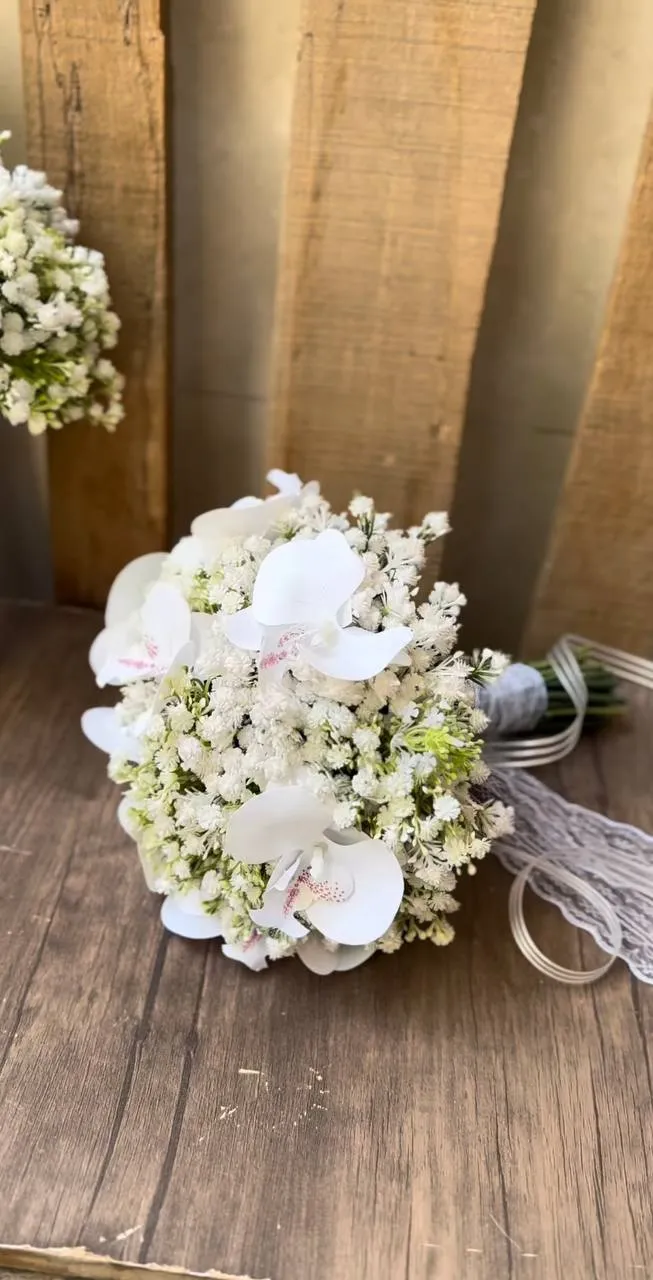
Bridal bouquet designs fall roughly into two camps: classic shapes that have been around for generations, and looser, modern styles that have taken over the last decade or so. Of all the flowers at a wedding, bridal bouquets get the most attention, because you carry yours for hours and it's in nearly every photo. This guide walks through the main styles, how to match one to your dress and season, and what else to think about once the bouquet is sorted.
The questions about wedding flowers are usually the same from one couple to the next, so we've tried to answer them plainly: which flowers, what shape, what colours and what it all means for the rest of the day.
What bridal bouquets do at weddings
A bouquet finishes the look. It gives your hands something to do during the ceremony, it adds colour next to a white or ivory dress, and it sets the tone for the rest of the wedding event flowers. Since it shows up in nearly every photo, it's worth more thought than the centrepieces.
A good bouquet should:
- Suit your dress rather than compete with it
- Fit the colours of the wedding
- Feel like you, whether that's formal, relaxed or somewhere in between
- Be comfortable to hold for a few hours
That last point gets forgotten. A huge cascade looks dramatic, but it's heavy by the time the speeches start.
Classic bridal bouquet designs
Classic bouquets are round, balanced and usually built around one or two main flowers. They suit traditional ceremonies and they still look right in photos twenty years later.
1. Rose bridal bouquets
Roses are the most common choice for bridal bouquets, and they're reliable: sturdy, available all year and in nearly every colour. White roses traditionally stand for purity, while blush and red lean toward love and romance.
They work well for:
- Traditional weddings
- Church ceremonies
- Ballroom and banquet hall receptions
Combinations that work:
- White roses with eucalyptus
- Blush roses with peonies
- Red roses with baby's breath
2. Peony wedding bouquets
Peonies are soft and full, and they photograph beautifully. Their big rounded heads give a romantic look without needing many stems. The catch is timing. Local peonies are at their best in late May and June, so a peony bouquet is easiest for a late spring or early summer wedding. Outside that window they can be harder to find and cost more.
Why people love them:
- Lots of soft, ruffled petals
- Pastel colours, from blush to coral
- A full look with fewer stems
3. Cascading bridal bouquets
A cascade trails down from your hands, using flowers and greenery that hang naturally, often orchids, lilies and ivy. It's the most formal shape and suits:
- Black-tie weddings
- Formal receptions
- Grand venues
Cascades look best with long gowns and cathedral veils. With a short dress, they can swamp the outfit.
Modern bridal bouquet trends
Modern bouquets are usually looser and less symmetrical, with more greenery, more texture and a stronger opinion about colour.
4. Minimalist greenery bouquets
These lean on foliage, with just a few white flowers for contrast. Popular greenery includes:
- Silver dollar eucalyptus
- Italian ruscus
- Olive branches
Minimalist wedding bouquets suit city hall ceremonies, modern venues and anyone who'd rather the dress did the talking. They're also lighter to carry.
5. Boho wildflower bouquets
Boho bouquets look like they were gathered from a field: mixed heights, a little untidy on purpose. They suit outdoor ceremonies, barns and backyard weddings. Common flowers include:
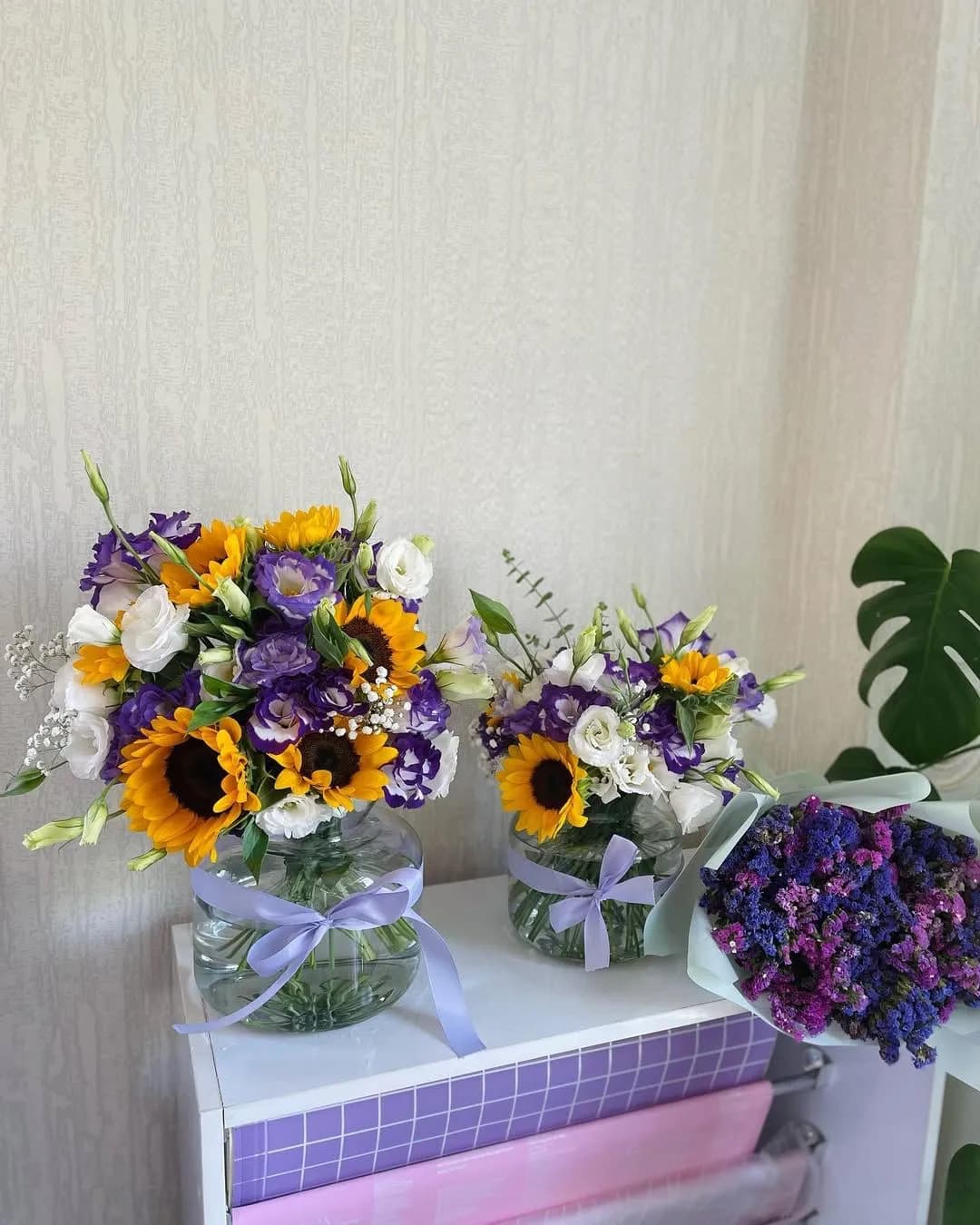
- Sunflowers
- Lavender
- Daisies
- Pampas grass (dried)
6. Monochromatic floral arrangements
One colour, several flowers. It's an easy way to look polished without a busy palette. Colour themes that work:
- All white
- Soft nude and beige
- Dusty pink
- Deep burgundy
Monochromatic wedding flower arrangements rely on texture to stay interesting, so mix flower shapes and sizes within the colour.
Choosing the right wedding flowers
Start with the overall feel of the day, then the dress, then the season. The budget usually settles the rest.
Consider your wedding theme
For a traditional wedding: roses, hydrangeas and peonies.
For a rustic wedding: wildflowers, sunflowers and plenty of greenery.
For a modern wedding: minimal arrangements, orchids and calla lilies.
Match your dress style
The bouquet should suit the dress, not fight it.
- Ball gowns can take a larger, cascading bouquet.
- Minimal dresses look best with a smaller hand-tied bouquet.
- Boho dresses pair well with loose, textured flowers and trailing ribbon.
Seasonal wedding flowers
Flowers in season are fresher, easier to get and usually better value.
- Spring: tulips, peonies, lilacs
- Summer: roses, sunflowers, hydrangeas
- Fall: dahlias, chrysanthemums, burgundy roses
- Winter: white roses, orchids, evergreen accents
If you have your heart set on a particular flower, check when it's in season before you set the date in stone.
Wedding flower arrangements beyond the bouquet
The bouquet is one piece. Most weddings have flowers in a few other places too, and they should look related.
Ceremony flower arrangements
Ceremony flowers frame the moment you say your vows. Common pieces:
- Floral arches
- Aisle flowers
- Entrance arrangements
If your ceremony and reception are in the same venue, ceremony pieces can often be moved to the reception afterward, which stretches the budget.
Reception flower decorations
Reception flowers are what guests sit with all evening. Popular ideas:
- Table centrepieces
- Hanging installations
- Sweetheart table flowers
- Flowers for the cake
Keep centrepieces either low or tall enough to see under. Anything at eye level stops people talking across the table.
Bridesmaid bouquets
Bridesmaid bouquets should look related to yours, just smaller and simpler. Mini rose bouquets, eucalyptus-led bunches and neutral tones all work. Wedding bouquets that relate to each other look good in group photos without everyone needing an identical copy of the bride's.
Trending wedding flower colours in GTA weddings
Wedding palettes in Toronto and the surrounding area tend to land in one of three groups.
Soft romantic tones
- Blush pink
- Ivory
- Peach
- Lavender
Bold modern colours
- Burgundy
- Emerald green
- Burnt orange
- Deep red
Neutral minimalist palettes
- Beige
- Cream
- Sage green
- Dusty rose
A good rule: pick one main colour, one supporting colour and one neutral, then let the greenery tie them together.
Tips for preserving your bridal bouquet
Lots of people want to keep their bouquet. A few things help, both on the day and after.
Keep flowers hydrated
Keep the bouquet in a vase of water whenever you're not holding it, right up until you walk down the aisle and again between photos.
Avoid direct sunlight
Heat wilts flowers fast. Don't leave the bouquet in a hot car or on a sunny windowsill while you get ready.
Use professional preservation services
There are studios that specialize in preserving bouquets by pressing, freeze-drying or setting them in resin. Book before the wedding, as many need the flowers within a few days.
Dry your bouquet
The simple home method: hang it upside down somewhere dark, dry and cool for two or three weeks. Roses dry well. Lilies and hydrangeas are harder.
Working with a wedding florist
A wedding florist knows which flowers will be available for your date, what holds up in summer heat, and how to make everything look like one set. When you talk to one, come ready with:
- Your date and venue
- A few photos of flowers you love (and any you don't)
- Your colours and your dress, or a photo of it
- A rough budget
That gives them enough to tell you what's realistic, for full wedding flower arrangements or just a bridal bouquet and a few boutonnières.
Wedding flower trends for 2026
A few directions in wedding flowers right now. For more detail, read our post on wedding flower trends for 2026.
Sustainable wedding flowers
More couples are asking for local and seasonal flowers, and skipping floral foam where possible.
Dried flower arrangements
Pampas grass, bunny tails and dried flowers add texture, and they don't wilt in a hot tent.
Oversized bouquets
Big, loose statement bouquets are popular for couples who want the flowers to be a feature.
Floral installations
Hanging flowers over tables and full flower walls are showing up at larger weddings.
If you're planning your wedding flowers and would like to talk it through with us, start on our weddings page.