

Blog
Why Seasonal Flowers Last Longer | Laris Florist

Walk into any flower shop in the fall and ask for peonies, and you’ll probably get a polite explanation about why that’s not a great idea. Ask for chrysanthemums or dahlias instead, and you’ll walk out with something that not only looks better for the occasion but will still be sitting pretty on your kitchen table a full week later. That’s not a coincidence. It’s the whole logic behind seasonal flowers, and it’s something the team at Laris Florist talks about with customers almost every single day.
We serve homes, offices, and event spaces across Toronto, Newmarket, Richmond Hill, Markham, and the greater GTA, and one question comes up more than almost any other: “Why did the last bouquet I bought wilt in three days?” More often than not, the answer traces back to one simple thing — the flowers weren’t in season.
This blog breaks down exactly why seasonal blooms outlast and outprice their imported, out-of-season counterparts, and how you can use that knowledge to get more beauty for your budget, whether you’re ordering a birthday bouquet, planning a wedding, or just want fresh flowers on your desk that don’t die by Wednesday.
What Does “Seasonal Flowers” Actually Mean?
Seasonal flowers are blooms that are naturally growing during a specific time of year in a specific climate, harvested at their peak and sold close to where they were grown. A tulip in April in Ontario is seasonal. A tulip flown in from a heated greenhouse in December is not — it’s forced, and forcing has consequences for both the flower’s lifespan and your wallet.
Every flower has a natural growing window. Peonies bloom in late spring. Sunflowers and dahlias peak in summer. Chrysanthemums and asters own the fall. Amaryllis and evergreen branches take over in winter. When a flower is sold during its natural window, it’s typically been in the ground (or greenhouse, locally) for a shorter time before reaching you, picked at the ideal stage of bloom, and transported over a much shorter distance.
The Real Reason Seasonal Flowers Last Longer
1. They Travel Less, So They Stress Less
This is the single biggest factor in vase life. Out-of-season flowers are almost always imported — often from South America, Africa, or Europe — meaning they spend days in cold storage, cargo holds, and distribution warehouses before they ever reach a florist. Every hour outside of proper hydration and temperature control shortens a flower’s usable life.
Seasonal flowers sourced locally or regionally in Ontario travel a fraction of that distance. Less time in transit means less stress on the stem, less moisture loss, and a flower that’s had far fewer chances to be mishandled, chilled incorrectly, or left sitting in a truck. When Laris Florist sources seasonal blooms for customers across Toronto, Newmarket, Richmond Hill, and Markham, that shorter supply chain is doing a lot of the heavy lifting behind a longer-lasting arrangement.
2. They’re Harvested at the Right Time
Flowers grown out of season are frequently forced — grown in artificial conditions with manipulated light, heat, and humidity to trick them into blooming outside their natural cycle. Forced growth tends to produce weaker cell structure, thinner petals, and stems that simply aren’t as sturdy. The flower may look fine on day one, but it hasn’t developed the natural resilience it would have if grown under its ideal seasonal conditions.
Seasonal flowers, by contrast, grow the way nature intended. They develop under the right light levels and temperatures for their species, which builds stronger stems, firmer petals, and better water uptake — all of which translate directly into more days in the vase.
3. Less Cold-Chain Disruption
Long-distance flower shipping depends on an unbroken “cold chain” — the flowers need to stay at a consistent low temperature from farm to final delivery. Any break in that chain, even briefly, accelerates aging. Every extra handoff between farm, exporter, importer, wholesaler, and retail florist is another opportunity for a temperature slip. Locally sourced seasonal flowers simply have fewer handoffs, which means fewer chances for something to go wrong before they reach your door.
4. They’re Simply Fresher When You Buy Them
This might sound obvious, but it’s worth spelling out: a flower that was cut three days ago outlasts a flower that was cut two weeks ago, every time. Because seasonal blooms don’t need to survive a multi-day international shipping process, florists can buy them closer to the day they were harvested. Fresher at the point of sale means fresher for longer at home.
Why Seasonal Flowers Cost Less
Supply and Demand, Working in Your Favor
When a flower is in season, it’s abundant. Local and regional growers are producing large volumes of it at the same time, which naturally brings the price down. Out-of-season, that same flower has to be imported from wherever it’s currently in bloom, and importing means added costs — international freight, customs, refrigerated transport, and higher wholesale markups. All of that gets passed down to the customer.
No Greenhouse Premium
Forcing a flower to grow outside its natural season usually means growing it in a climate-controlled greenhouse with artificial lighting and heating running around the clock. That’s an expensive way to grow a plant, and growers price accordingly. Flowers grown outdoors, in season, under natural sun and rain, are dramatically cheaper to produce — and that savings shows up on the price tag.
Shorter Supply Chains Mean Fewer Middlemen
Imported out-of-season flowers typically pass through several intermediaries: a grower, an export broker, an import agency, a wholesale auction, and finally a retail florist. Each step adds a markup. Seasonal, locally sourced flowers can often skip several of those steps entirely, which keeps costs lower for everyone — including you.
Less Waste, Lower Overhead
Because seasonal flowers last longer, florists lose fewer of them to spoilage before they’re sold. Less waste in the shop means florists don’t need to build as much “shrinkage” cost into their pricing. It’s a small factor, but it adds up.
A Season-by-Season Guide for Ontario and the GTA
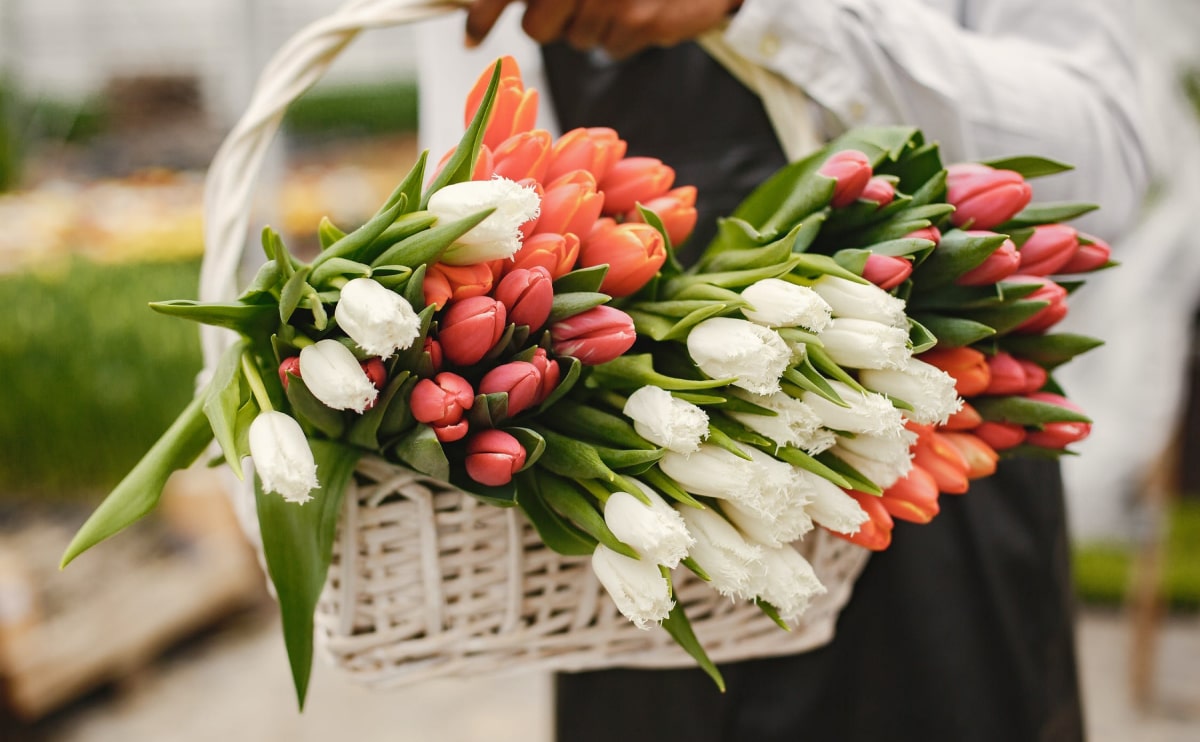
Spring (March–May): Tulips, daffodils, ranunculus, hyacinths, and early peonies. Bright, clean colors that pair beautifully with Mother’s Day and spring wedding season.
Summer (June–August): Peonies (early summer), sunflowers, dahlias, zinnias, garden roses, and hydrangeas. This is peak abundance season in Ontario, and prices tend to be at their most affordable.
Fall (September–November): Chrysanthemums, asters, dahlias (late season), celosia, and ornamental branches. Rich, warm tones perfect for Thanksgiving and autumn events.
Winter (December–February): Amaryllis, poinsettias, evergreen greenery, anemones, and ranunculus (which actually thrive in cooler growing conditions). Winter arrangements lean on texture and greenery alongside a smaller but still beautiful range of blooms.
If you’re planning an event around any of these windows, working with your florist’s seasonal calendar — instead of insisting on a specific flower regardless of season — is one of the easiest ways to get a better-looking, better-lasting, and better-priced arrangement.
How to Make the Most of Seasonal Flowers
- Ask your florist what’s in season before you ask for a specific flower. A good florist can usually find something in the color palette or style you want that happens to be in season right now.
- Recut stems at an angle when you get home, and change the water every two to three days. Even the freshest seasonal flowers need basic care to reach their full vase life.
- Keep arrangements away from direct sunlight, heating vents, and ripening fruit (fruit releases ethylene gas, which speeds up wilting).
- Book ahead for weddings and events. Seasonal flowers are grown in predictable windows, so planning a few weeks out ensures your florist can source the freshest possible stems rather than scrambling for imports.
- Trust local expertise. A florist who sources seasonally in your region knows exactly which growers and markets have the freshest stock that week — something a big national delivery chain simply can’t replicate.
Why Laris Florist Focuses on Seasonal Blooms
At Laris Florist, we build our arrangements around what’s actually thriving right now — not around forcing a specific flower into a bouquet regardless of the season. It’s how we deliver fresher arrangements with a longer vase life to customers across Toronto, Newmarket, Richmond Hill, Markham, and the wider GTA, without charging import-driven premiums for out-of-season blooms.
Whether you need a same-day bouquet for a birthday, seasonal centerpieces for a wedding, or a standing order of fresh flowers for your office lobby, our approach stays the same: source what’s in season, source it fresh, and pass the savings and the longer-lasting quality on to you.
Frequently Asked Questions
Do seasonal flowers really last longer than imported ones? Yes. Because seasonal flowers travel shorter distances and spend less time in cold storage before reaching the customer, they typically arrive fresher and last several days longer than out-of-season, imported blooms.
Are seasonal flowers actually cheaper? Generally, yes. Seasonal flowers are more abundant, require less costly greenhouse forcing, and pass through fewer supply-chain markups, all of which keep prices lower compared to imported, out-of-season blooms.
What flowers are in season right now in Toronto and the GTA? It depends on the time of year — tulips and ranunculus in spring, peonies and dahlias in summer, chrysanthemums and asters in fall, and amaryllis and evergreens in winter. Check with Laris Florist for the current seasonal selection.
Can I still get out-of-season flowers if I really want them? Yes, most florists including Laris Florist can source out-of-season flowers on request. Just expect a higher price point and a somewhat shorter vase life compared to what’s currently in season.
Does Laris Florist deliver seasonal flowers across the GTA? Yes. Laris Florist delivers fresh, seasonal flower arrangements to Toronto, Newmarket, Richmond Hill, Markham, and surrounding GTA communities.