

Blog
Why Seasonal Flowers Last Longer and Cost Less

Walk into any flower shop and you’ll usually see two kinds of bouquets: the ones that look beautiful for a day or two before wilting, and the ones that seem to hold their color and shape for well over a week. More often than not, the difference isn’t the vase, the water, or even the arrangement. It’s whether the flowers were in season when they were cut.
At Laris Florist, serving Toronto, Newmarket, Richmond Hill, Markham, and the surrounding GTA, seasonal flowers aren’t just a trend on the shop floor — they’re the foundation of how every arrangement is built. And once you understand why seasonal blooms outperform imported, out-of-season flowers on both longevity and price, it’s hard to shop any other way.
What “Seasonal Flowers” Actually Means
Seasonal flowers are blooms that are naturally grown and harvested during their peak growing period, in a climate suited to them, rather than forced into greenhouse production or flown in from halfway across the world to meet year-round demand.
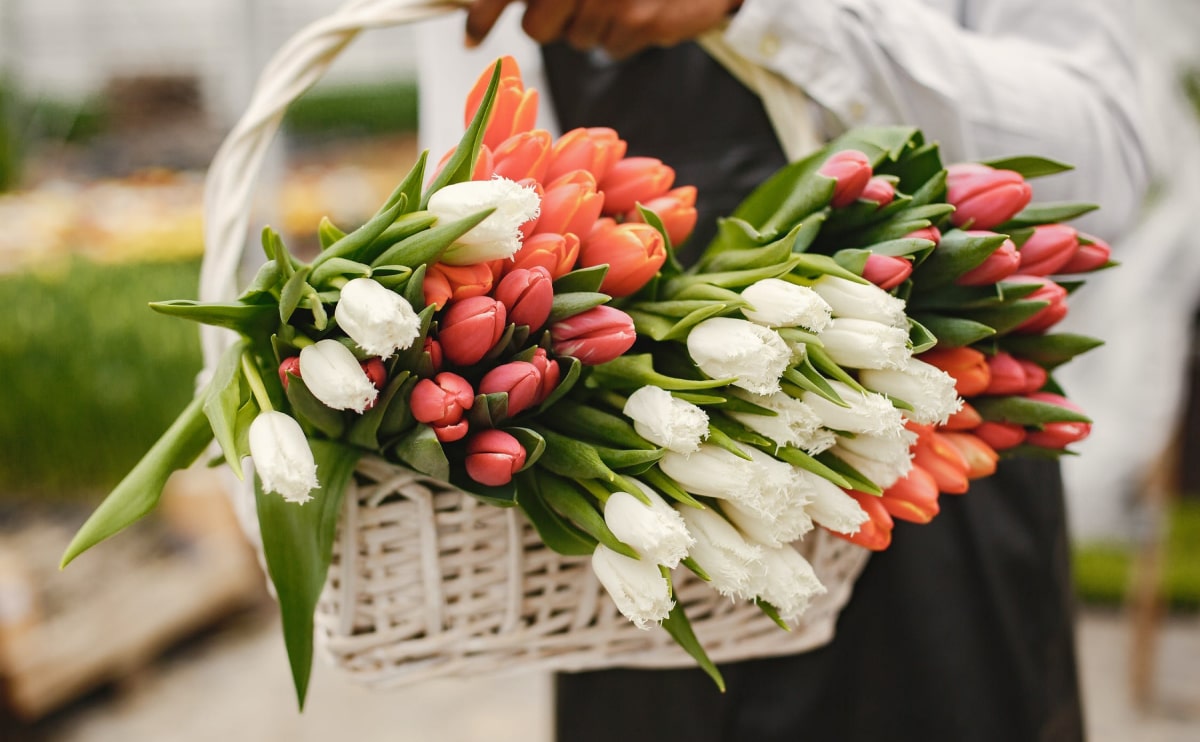
Tulips and daffodils in early spring. Peonies and lilacs in late spring. Sunflowers, dahlias, and zinnias through summer. Chrysanthemums and marigolds in fall. Amaryllis, holly, and evergreen branches in winter. Each flower has a natural window when it’s grown at its best — strongest stems, richest color, and the most developed bloom structure.
When a flower is purchased during that natural window, it’s typically harvested closer to the point of sale, handled less, and stressed less by travel and storage. All of that translates directly into how long it lasts once it reaches your home.
Why Seasonal Flowers Last Longer
1. Shorter Time From Farm to Vase
Out-of-season flowers are almost always imported, which means longer transit times, more handling, and more temperature fluctuation before they ever reach a florist’s cooler. Seasonal flowers sourced locally or regionally spend far less time in transit, which preserves stem strength and slows the aging process before the flower even reaches the shop.
2. Naturally Stronger Stems and Structure
A flower grown in its ideal season develops under the right light, temperature, and soil conditions for its species. That means sturdier stems, fuller petals, and better water uptake — all of which directly affect vase life. Forced or out-of-season blooms are often grown in artificial conditions that produce a flower that looks acceptable on day one but fades quickly.
3. Less Cold-Chain Stress
Imported flowers typically pass through multiple refrigerated stages — packing facility, cargo hold, distribution warehouse, and finally the retail cooler — with fluctuating temperatures at each step. Every fluctuation shortens the flower’s usable life. Seasonal, locally sourced flowers usually pass through far fewer of these stages.
4. Peak Nutrient and Moisture Content
Flowers harvested at their natural peak carry higher internal moisture and nutrient reserves, which is exactly what allows them to keep drawing water and staying upright once they’re arranged. Off-season flowers, often harvested early to survive a longer shipping window, simply don’t have the same reserves to draw on.
Why Seasonal Flowers Cost Less
1. No Greenhouse Premium
Growing a flower out of season usually means growing it in a heated or climate-controlled greenhouse, which costs significantly more in energy, labor, and infrastructure than growing it outdoors during its natural season. That extra cost is always passed on to the customer.
2. No Long-Haul Import Fees
Flowers flown in from overseas carry the cost of air freight, customs, refrigerated storage, and extended handling — expenses that don’t exist for flowers grown regionally and sold in season. Buying seasonal is often the difference between paying for a flower and paying for its shipping label.
3. Higher Local Supply
When a flower is in season, local and regional farms are producing it in high volume, which naturally brings the price down through supply and demand. Off-season, that same flower becomes scarce and has to be sourced from farther away, which drives the price back up.
4. Less Waste for the Florist
Because seasonal flowers last longer on the shelf and in transit, florists lose fewer stems to spoilage. That efficiency keeps operating costs lower, and those savings are passed along in the price of the arrangement.
Seasonal Doesn’t Mean Limited
One of the biggest misconceptions is that choosing seasonal flowers means settling for fewer options. In reality, each season brings its own distinct palette and character:
- Spring: Tulips, daffodils, ranunculus, lilacs, and peonies bring soft pastels and fresh, romantic tones — ideal for spring weddings and Mother’s Day arrangements.
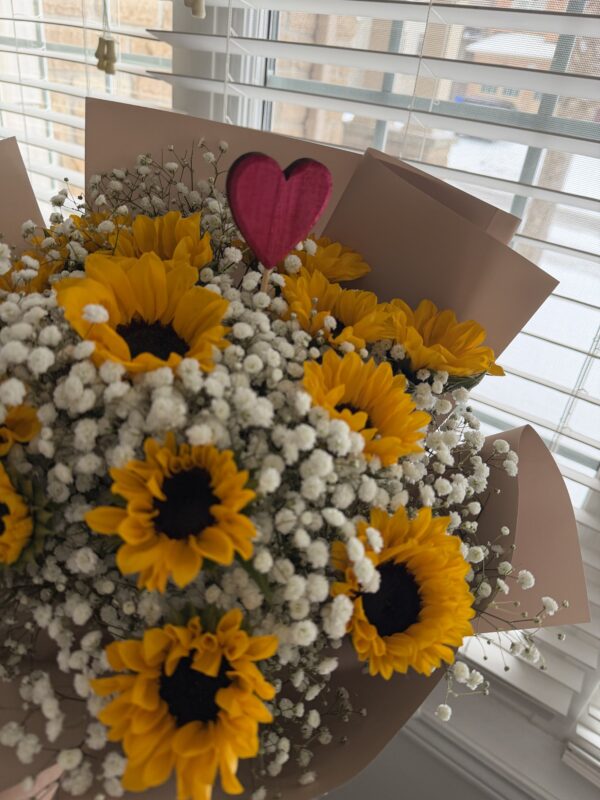
- Summer: Sunflowers, dahlias, zinnias, and garden roses bring bold, saturated color, perfect for summer events and everyday bouquets.
- Fall: Chrysanthemums, marigolds, and celosia bring warm, rich tones that pair naturally with autumn weddings and Thanksgiving centerpieces.
- Winter: Amaryllis, evergreen branches, and holly bring deep reds and greens that suit the holiday season and winter celebrations.
A skilled florist doesn’t work around the seasons — they design with them, which is exactly how Laris Florist approaches every arrangement.
How Laris Florist Sources Seasonal Flowers Across the GTA
Laris Florist works directly with growers and wholesale sources that prioritize what’s naturally in season, rather than defaulting to imported stock out of convenience. This approach benefits customers throughout Toronto, Newmarket, Richmond Hill, Markham, and the wider GTA in a few concrete ways:
- Fresher arrangements that hold their shape and color well past the first few days.
- Better value on bouquets, centerpieces, and event florals, since customers aren’t paying an import or greenhouse premium.
- More authentic, regionally appropriate designs that reflect what’s actually thriving at that time of year.
- Faster turnaround on orders, since regionally available flowers don’t depend on long international shipping windows.
Whether it’s a same-day bouquet delivered in Richmond Hill, a wedding arrangement designed for a Markham venue, or a seasonal centerpiece delivered across Newmarket and the greater Toronto area, Laris Florist builds every order around what’s genuinely in season, not just what’s available to import.
Tips for Making Seasonal Flowers Last Even Longer
Buying in season is the first step, but a little care at home extends vase life even further:
- Trim stems at an angle as soon as the flowers arrive, then re-trim every few days.
- Change the water every two to three days to prevent bacteria buildup.
- Keep arrangements away from direct sunlight and heating vents, which speed up wilting.
- Remove any leaves that sit below the waterline, since submerged foliage decays quickly and clouds the water.
- Use flower food if provided — it’s specifically balanced to feed the stems and slow bacterial growth.
Combined with seasonal sourcing, these small habits can meaningfully extend how long an arrangement stays fresh and vibrant.
Frequently Asked Questions About Seasonal Flowers
Are seasonal flowers really cheaper than imported ones? Yes. Seasonal flowers avoid greenhouse production costs and long-distance shipping fees, both of which add significantly to the price of out-of-season or imported blooms.
Do seasonal flowers really last longer than imported flowers? In most cases, yes. Seasonal flowers are harvested closer to their point of sale, spend less time in transit, and are grown under natural conditions that produce stronger stems and better water retention.
Can I still get my favorite flower if it’s out of season? Often, yes, but it will typically cost more and may not last as long. A good florist can also suggest an in-season alternative with a similar look, color, or feel.
Does Laris Florist deliver seasonal flowers across the GTA? Yes. Laris Florist delivers seasonal arrangements throughout Toronto, Newmarket, Richmond Hill, Markham, and the surrounding Greater Toronto Area.
What’s the best way to keep seasonal flowers fresh at home? Trim stems regularly, change the water every few days, keep arrangements out of direct sunlight and away from heat sources, and use flower food if it’s provided.
Are seasonal flowers a good choice for weddings and events? Absolutely. Seasonal flowers often look more cohesive with the time of year, cost less than importing out-of-season blooms, and are more likely to stay fresh throughout a full event day.
Final Thoughts
Seasonal flowers aren’t a compromise — they’re simply a smarter way to buy. They last longer because they’re harvested at their natural peak and spend less time in transit, and they cost less because they skip the greenhouse premiums and import fees that drive up the price of out-of-season blooms.
For customers across Toronto, Newmarket, Richmond Hill, Markham, and the greater GTA, Laris Florist builds every bouquet, centerpiece, and event arrangement around what’s genuinely in season, delivering flowers that are fresher, longer-lasting, and better value from the moment they arrive.
Laris Florist — Serving Toronto, Newmarket, Richmond Hill, Markham & the GTA with fresh, seasonal floral arrangements for every occasion.