
Blog
Best Flowers for Every Season: Spring, Summer, Fall, and Winter

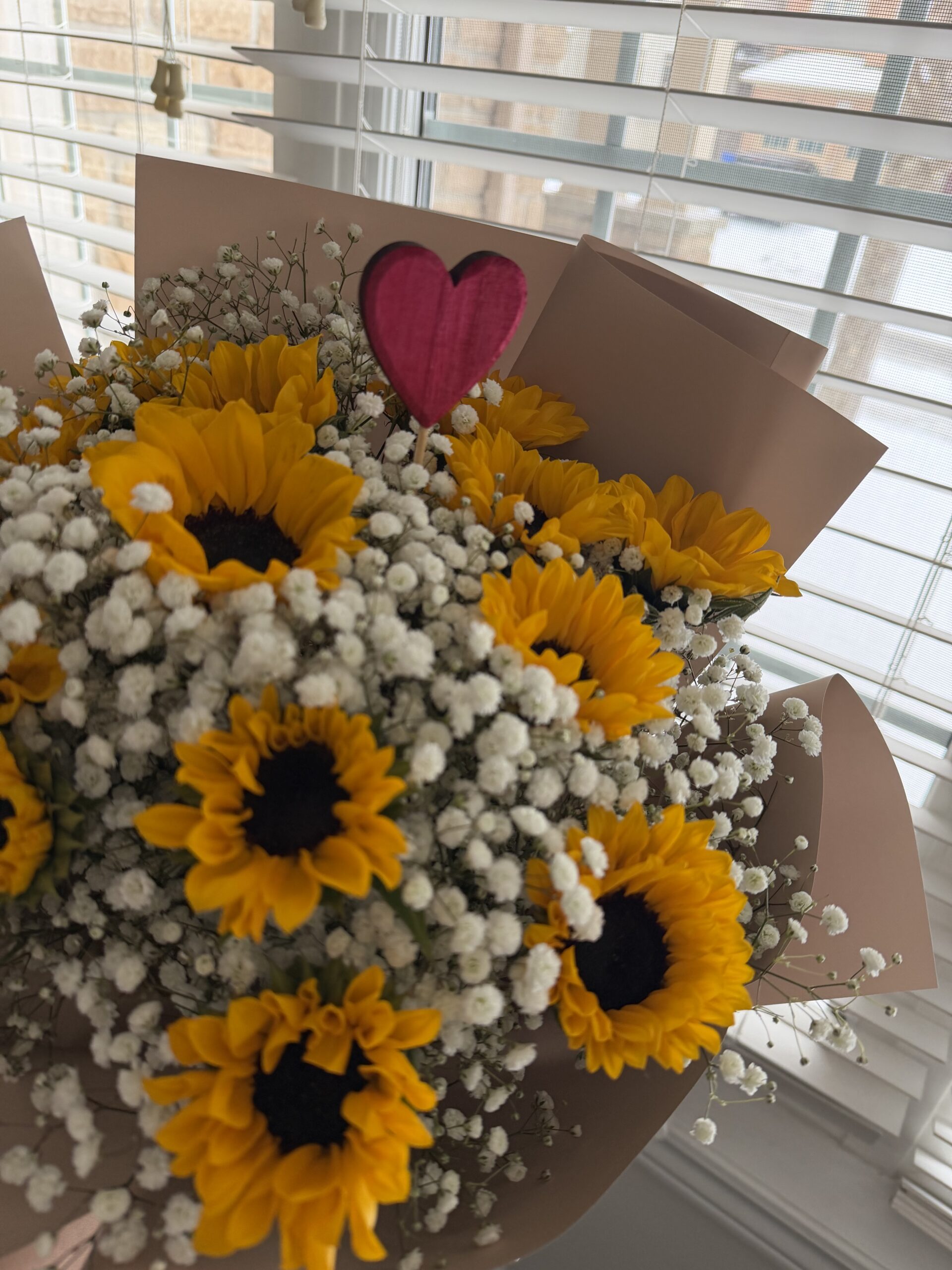
There’s a reason florists talk so much about “what’s in season.” Flowers grown in their natural season aren’t just easier to source — they’re fresher, fuller, longer-lasting, and often more affordable than flowers forced out of season. Choosing seasonal blooms means your bouquet actually reflects the time of year, and it typically means a better-looking, better-lasting arrangement in your hands.
At Laris Florist, we build arrangements for clients across Toronto, Newmarket, Richmond Hill, Markham, and the greater GTA around exactly this principle: work with what’s naturally thriving right now, rather than fighting against the season. Here’s a full breakdown of the best flowers for every time of year, and what makes each one worth choosing.
Why Seasonal Flowers Matter
Flowers that are in season are typically grown closer to when they’re sold, meaning less time in cold storage and transit before they reach you. That translates directly into fresher petals, richer color, and a longer vase life once they’re in your home.
Seasonal flowers also tend to be more budget-friendly, since supply is naturally higher during their peak growing months. And beyond the practical benefits, seasonal blooms simply feel right — a bouquet of tulips in April or chrysanthemums in October has a sense of timing that an out-of-season substitute can’t quite match.
Spring Flowers: Fresh Starts and Soft Color
Spring is arguably the most anticipated flower season of the year, arriving right as everyone is ready to shake off winter. Spring blooms tend to be soft, fresh, and full of color after months of grey.
Top spring flowers:
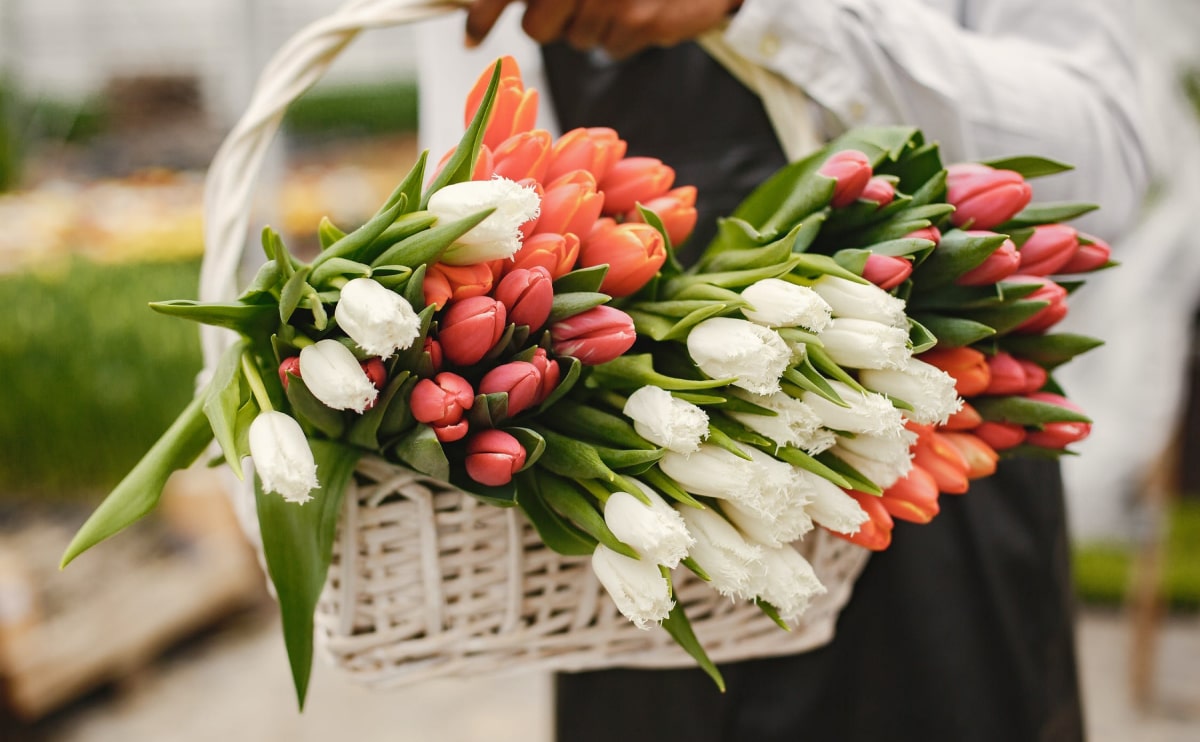
- Tulips — the definitive spring flower, available in nearly every color imaginable
- Daffodils — cheerful, bright yellow blooms that are often the very first sign of spring
- Peonies — lush, full blooms with a relatively short but highly sought-after season
- Hyacinths — deeply fragrant and available in rich purples, pinks, and whites
- Ranunculus — layered, rose-like petals in vibrant colors, popular in modern bouquets
- Lilacs — fragrant clusters that bring a nostalgic, garden-fresh feel to arrangements
Best for: Easter arrangements, Mother’s Day bouquets, spring weddings, and simply brightening a home after a long winter.
Why it matters: Peonies in particular have a famously short season — often just a few weeks in late spring — making them one of the most in-demand flowers for spring weddings and events. If peonies are on your must-have list, timing your order early in the season matters.
Summer Flowers: Bold, Vibrant, and Abundant
Summer offers the widest variety of any season, with warm-weather blooms in bold colors and full, abundant shapes.
Top summer flowers:
- Sunflowers — bold, cheerful, and instantly recognizable
- Dahlias — intricate, richly colored blooms available in an enormous range of shapes and sizes
- Zinnias — vibrant, long-lasting, and a favorite in cut-flower gardens
- Roses — while available nearly year-round, garden roses hit peak fullness and fragrance in summer
- Hydrangeas — full, cloud-like blooms perfect for larger statement arrangements
- Lisianthus — delicate, rose-like petals often used in elegant summer wedding florals
Best for: Summer weddings, garden parties, and bright everyday arrangements that match the season’s energy.
Why it matters: Summer’s flower variety makes it the easiest season to customize a bouquet around a specific color palette, since nearly every color and texture is available at peak quality during these months.
Fall Flowers: Warm Tones and Rich Texture
Fall flowers shift toward deeper, warmer tones — rust, burgundy, amber, and deep orange — echoing the changing leaves outside.
Top fall flowers:
- Chrysanthemums — the classic fall flower, available in warm golds, deep reds, and rich bronze tones
- Marigolds — bright, warm-toned blooms that hold up well in cooler temperatures
- Dahlias — many varieties extend into early fall, offering rich, saturated color
- Sunflowers — smaller varieties continue into early fall, especially in warmer climates
- Celosia — striking, textured blooms in deep reds and oranges, popular for fall centerpieces
- Amaranthus — trailing, deep burgundy blooms that add dramatic texture to fall arrangements
Best for: Thanksgiving centerpieces, fall weddings, and autumn-themed home decor.
Why it matters: Fall arrangements often lean on texture as much as color — pairing chrysanthemums with dried elements like wheat or seeded eucalyptus creates a richer, more layered look than flowers alone.
Winter Flowers: Elegant, Cozy, and Understated
Winter has fewer flowers in natural bloom, but what’s available tends to feel elegant and intentional, often paired with greenery for a cozy, festive look.
Top winter flowers:
- Amaryllis — bold, trumpet-shaped blooms that are a holiday season signature
- Poinsettias — the classic Christmas plant, available in deep reds, whites, and pinks
- Anemones — delicate, dark-centered blooms that pair beautifully with winter greenery
- Ranunculus — many varieties bloom into winter, offering soft color during colder months
- Roses — remain widely available and popular for winter holidays and Valentine’s Day
- Evergreen and pine accents — while not flowers themselves, these are winter floristry staples for texture and fragrance
Best for: Holiday centerpieces, winter weddings, and Valentine’s Day arrangements.
Why it matters: Because natural blooms are more limited in winter, arrangements often lean on greenery, berries, and textural elements to add fullness — a technique that gives winter bouquets their distinctive cozy, layered look.
Year-Round Flowers Worth Knowing
A handful of flowers are available in some form nearly all year, thanks to global growing regions and greenhouse cultivation. These are useful to know when you want a specific flower outside its natural peak season.
Common year-round options:
- Roses — available in nearly every color, year-round
- Carnations — long-lasting and budget-friendly in any season
- Orchids — elegant and available consistently through greenhouse cultivation
- Alstroemeria — colorful, long-lasting, and a reliable filler flower any time of year
Why it matters: While these flowers are available year-round, they’re often at their best quality and value during their own natural peak seasons — roses in summer, for example, tend to be fuller and more fragrant than roses grown in winter greenhouses.
Choosing Flowers for a Specific Occasion
Beyond season, it helps to think about the occasion itself when selecting flowers.
Quick occasion guide:
- Weddings: lean into the season for the freshest, most cost-effective options — peonies for spring, dahlias for summer, chrysanthemums for fall, amaryllis for winter
- Sympathy arrangements: whites and soft tones work across all seasons — lilies, white roses, and chrysanthemums are common year-round choices
- Everyday gifts: seasonal blooms tend to offer the best value and freshest presentation
- Corporate or event arrangements: year-round flowers like roses and orchids offer consistency when a specific look needs to be replicated regardless of season
How Laris Florist Approaches Seasonal Arrangements
At Laris Florist, we build every arrangement around what’s genuinely in season, sourcing thoughtfully to bring clients across Toronto, Newmarket, Richmond Hill, Markham, and the wider GTA the freshest, fullest blooms available at any given time of year. Whether you’re planning a wedding months in advance or need a same-day arrangement for a special occasion, working with the season means a better-looking, longer-lasting result every time.
Frequently Asked Questions
What flowers are best for a spring wedding? Tulips, peonies, ranunculus, and hyacinths are among the most popular spring wedding flowers, offering soft, romantic color palettes. Peonies have a particularly short season, so early ordering is recommended if they’re a must-have.
Are seasonal flowers cheaper than out-of-season flowers? Generally, yes. Flowers in their natural growing season are more widely available, which typically makes them more affordable and fresher than the same flower sourced out of season through greenhouse growing or long-distance shipping.
What flowers stay in bloom the longest after being cut? Carnations, chrysanthemums, and alstroemeria are known for particularly long vase lives, often lasting one to two weeks with proper care, regardless of season.
Does Laris Florist deliver seasonal flower arrangements across the GTA? Yes. Laris Florist provides seasonal flower arrangements and delivery throughout Toronto, Newmarket, Richmond Hill, Markham, and the surrounding GTA.
What flowers are available in winter when most blooms are out of season? Amaryllis, poinsettias, anemones, and roses remain popular and available through winter, often paired with evergreen greenery to create full, cozy arrangements despite the more limited natural bloom selection.
Laris Florist proudly serves Toronto, Newmarket, Richmond Hill, Markham, and the greater GTA with fresh, seasonal flower arrangements for every occasion. Contact us today to find the perfect blooms for the season.