

Blog
The Most Popular Flowers and Their Hidden Meanings

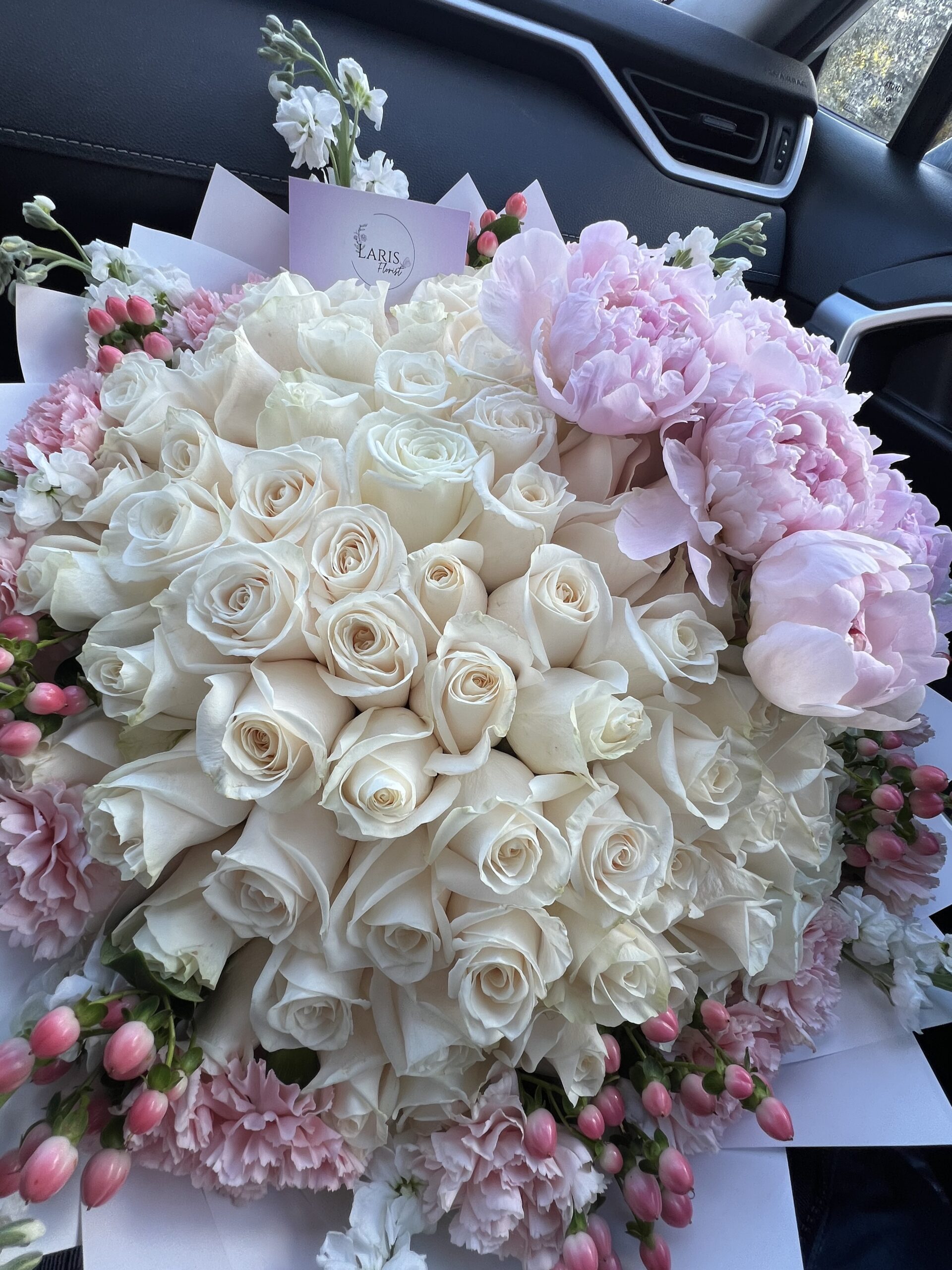
Roses symbolize love and passion, lilies represent purity and renewal, tulips convey perfect or deep love, sunflowers stand for adoration and loyalty, and orchids symbolize strength and beauty. Each flower’s color adds another layer of meaning — for example, red roses signify romantic love while yellow roses represent friendship. This practice of assigning meaning to flowers is known as floriography, and it’s still used today to make gifts and arrangements more personal and meaningful.
Flowers have always said what words sometimes can’t. Long before greeting cards and text messages, people used flowers to express love, gratitude, sympathy, and celebration — a tradition known as floriography, or “the language of flowers.” At Laris Florist, proudly serving Toronto, Newmarket, Richmond Hill, Markham, and the greater GTA, we help customers choose flowers every day for birthdays, weddings, sympathy arrangements, and everything in between. Understanding what each flower symbolizes can help you choose an arrangement that says exactly what you mean.
What Is Floriography?
Floriography is the practice of communicating specific messages or emotions through the choice of flowers, and sometimes even their color, arrangement, or how they’re presented. The tradition became especially popular during the Victorian era, when strict social etiquette made it difficult to express emotions openly, so bouquets were used to send subtle romantic or emotional messages instead.
While we no longer rely on flowers to send secret messages the way Victorian society did, the underlying meanings have stuck around — and they remain a wonderful way to add intention and personal meaning to any bouquet.
Popular Flowers and Their Meanings at a Glance
| Flower | Primary Meaning | Best Occasions |
|---|---|---|
| Rose | Love, passion, beauty | Anniversaries, weddings, romantic gestures |
| Lily | Purity, renewal, devotion | Sympathy, Easter, new beginnings |
| Tulip | Perfect or deep love | Spring celebrations, anniversaries |
| Sunflower | Adoration, loyalty, positivity | Birthdays, “get well soon,” friendship |
| Orchid | Strength, beauty, luxury | Special occasions, elegant gifts |
| Peony | Prosperity, good fortune, romance | Weddings, milestone celebrations |
| Carnation | Fascination, distinction, love | Mother’s Day, graduations |
| Daisy | Innocence, new beginnings | New baby, fresh starts |
| Hydrangea | Gratitude, heartfelt emotion | Thank-you gifts, appreciation |
| Chrysanthemum | Joy, optimism (varies by culture) | Celebrations, autumn arrangements |
Roses: The Universal Symbol of Love
No flower carries more symbolic weight than the rose. While red roses are universally recognized as a symbol of romantic love and passion, the color of a rose actually changes its meaning significantly:
- Red roses – romantic love and desire
- White roses – purity, innocence, and new beginnings (a common choice for weddings)
- Yellow roses – friendship, joy, and warmth
- Pink roses – gratitude, admiration, and gentleness
- Orange roses – enthusiasm and fascination
Because roses carry such well-established meanings, they remain the most requested flower for anniversaries, Valentine’s Day, and romantic apology bouquets alike.
Lilies: Purity, Renewal, and Devotion
Lilies are among the most elegant flowers available and are frequently used in both celebratory and somber occasions. White lilies in particular symbolize purity and are traditionally associated with renewal, which is why they’re a popular choice for Easter arrangements as well as sympathy flowers.
Different lily varieties carry their own nuances — for example, the Stargazer lily often represents ambition and encouragement, while the Calla lily symbolizes magnificent beauty and is a popular choice for both weddings and funerals.
Tulips: A Declaration of Perfect Love
Tulips are closely associated with spring and renewal, but they also carry a deeper romantic meaning: a declaration of perfect or deep love. Unlike roses, which can express many types of affection, tulips are almost exclusively tied to romantic love — making them a lovely alternative for anniversaries or as a springtime romantic gesture.
Like roses, tulip color matters. Red tulips represent true love, purple tulips symbolize royalty and admiration, and yellow tulips (once associated with hopeless love) are now more commonly seen as a cheerful expression of sunshine and happiness.
Sunflowers: Adoration and Unwavering Loyalty
Sunflowers are named for their tendency to turn and follow the sun across the sky, and this behavior gave rise to their symbolic meaning: adoration, loyalty, and unwavering devotion. Because of their bright, cheerful appearance, sunflowers have also become a popular symbol of positivity and happiness.
Sunflowers work beautifully for birthdays, “thinking of you” gifts, or simply to brighten someone’s day — their bold color and size make them a natural centerpiece flower.
Orchids: Strength, Beauty, and Refinement
Orchids are often associated with luxury, elegance, and rare beauty, largely due to their unique and delicate appearance. Beyond aesthetics, orchids also symbolize strength and resilience, since many orchid varieties can survive and even thrive in challenging environments.
Because of their sophisticated look, orchids are a popular choice for corporate gifts, housewarming presents, and special milestone celebrations where a more refined arrangement is appropriate.
Peonies: Prosperity and Romance
Peonies are treasured for both their lush, full blooms and their symbolism of prosperity, good fortune, and romance. In many cultures, peonies are considered a symbol of honor and wealth, and they remain one of the most requested wedding flowers due to their romantic association and stunning visual impact.
Carnations: Distinction and Layered Meaning
Carnations are often underestimated, but they carry rich and specific symbolism depending on their color. Pink carnations are traditionally associated with a mother’s undying love, which is part of why they remain a Mother’s Day staple. Red carnations symbolize deep love and admiration, while white carnations represent pure love and good luck — often used in graduation bouquets.
Daisies: Innocence and Fresh Starts
Daisies are simple, cheerful flowers that symbolize innocence, purity, and new beginnings. Their unpretentious beauty makes them a popular choice for new baby congratulations, fresh-start celebrations, or casual “thinking of you” bouquets that don’t require the weight of romantic symbolism.
Hydrangeas: Heartfelt Gratitude
Hydrangeas, with their full, rounded clusters of blooms, are strongly associated with heartfelt emotion and gratitude. They make a thoughtful choice when you want to say thank you in a way that feels warm and genuine, and their lush appearance also makes them a favorite for wedding arrangements.
How to Choose the Right Flowers for Your Occasion
When selecting flowers for a specific occasion, consider both the primary meaning of the flower and its color, since the two work together to shape the overall message:
- For romantic occasions: red roses, tulips, or peonies
- For sympathy and remembrance: white lilies, chrysanthemums, or carnations
- For celebrations and joy: sunflowers, daisies, or brightly colored tulips
- For gratitude and appreciation: hydrangeas or pink carnations
- For elegant or corporate gifting: orchids or white roses
If you’re ever unsure, a professional florist can help translate the emotion you want to express into the right combination of flowers, colors, and arrangement style.
Frequently Asked Questions
What flower symbolizes love the most? The red rose is the most universally recognized symbol of romantic love, though tulips and peonies also carry strong romantic meaning.
What flowers are best for sympathy arrangements? White lilies, chrysanthemums, and white carnations are traditional choices for sympathy and remembrance because they symbolize purity, peace, and renewal.
Do flower colors change the meaning of a flower? Yes. Many flowers, especially roses and tulips, carry different meanings depending on their color — for example, red typically represents passion, yellow represents friendship, and white represents purity.
What flower represents new beginnings? Daisies and white lilies are both commonly associated with new beginnings, innocence, and fresh starts, making them popular for new babies or life transitions.
Let Laris Florist Help You Say It With Flowers
Whether you’re celebrating an anniversary, welcoming a new baby, or sending comfort to someone who needs it, choosing flowers with the right meaning adds a personal, thoughtful touch that words alone can’t always capture. Our team at Laris Florist proudly serves customers throughout Toronto, Newmarket, Richmond Hill, Markham, and the greater GTA with fresh, expertly arranged bouquets for every occasion.
Browse our full flower shop and arrangements to find the perfect bouquet, explore our same-day delivery options across the GTA, or contact our team for help choosing flowers with a meaning that’s perfect for your moment.
Sources: Royal Horticultural Society – The Language of Flowers, The Old Farmer’s Almanac – Flower Meanings and Symbolism